




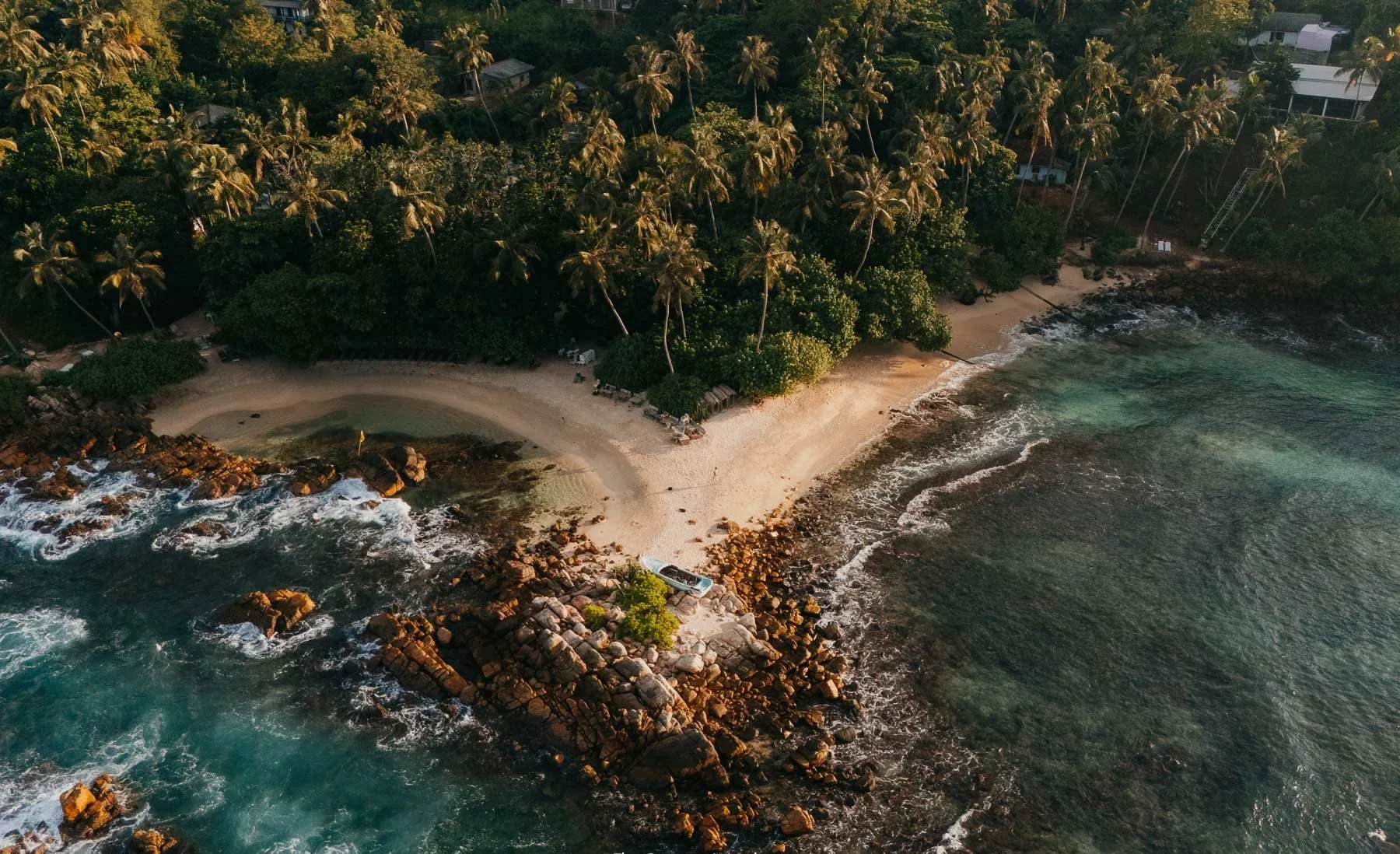
Beaches in Sri Lanka: Where to Go by Season (A Local’s Guide)
Beaches in Sri Lanka come with a secret that most first-time visitors learn the expensive way: the island has two monsoon systems, so at any given moment one coast is glorious and the other is grey, churning, and full of disappointed people who booked the wrong side. Get the season right and Sri Lanka’s coastline rivals anywhere in Asia. Get it wrong and you’ll wonder what the fuss was about.
So instead of a generic “top 10,” here’s how we actually think about it: by coast, by season, by what you want from a beach.

The one rule: match the coast to the month
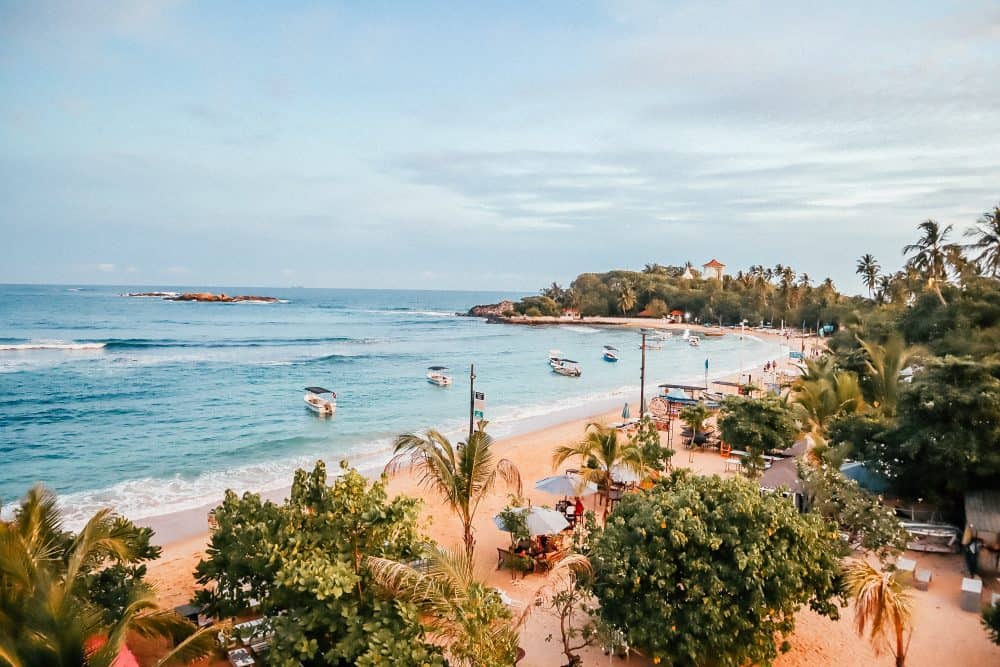
- West & south coasts (Negombo down to Tangalle): best November to April.
- East coast (Arugam Bay up to Trincomalee): best May to September.
- April and October: transition — flat-ish seas, mixed weather, fewer crowds, decent gamble.
Seasonal outlooks are published by the Department of Meteorology; when in doubt, trust the monsoon calendar over the brochure.
South & west coast beaches (November–April)
Mirissa — the season’s headline act: a curved bay for swimming, Coconut Tree Hill for the photo, and the whale-watching capital of the island — blue whale sightings peak roughly December to March. Book a responsible operator, take the sea-sickness tablet, thank us later.
Weligama — the best beginner surf in the country: a long, forgiving sandy-bottom bay lined with surf schools. Board hire and a lesson cost less here than almost anywhere else you’ll ever surf.
Hiriketiya — a tiny horseshoe bay near Dickwella that went from secret to scene in five years. Still beautiful, now busy; go for the surf-and-smoothie-bowl atmosphere, not solitude.
Unawatuna & Dalawella — sheltered swimming close to Galle Fort, which makes the best beach-plus-culture combination on the island. Dalawella’s rope swing is the most photographed palm tree in the country; the sea turtles grazing off Dalawella at dusk are better.
Tangalle — where the south coast empties out: long, wild stretches like Rekawa (turtle nesting beach — visit with the conservation project, never freelance with flashlights) and Silent Beach, which mostly lives up to the name. Currents are serious here; swim where locals swim.
Bentota — the calm-water option: the river mouth creates protected swimming and the island’s best water-sports lagoon. This is the family-and-resorts stretch, and it does that job well.
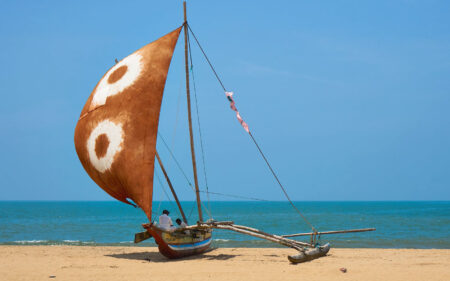
Negombo — not the island’s prettiest beach, but 20 minutes from the airport, which makes it the correct first or last night of any trip. The fish market and outrigger fleet at dawn are worth more than the beach itself.


your favourite time of day at Negombo, or a real detail from the market visit.
East coast beaches in Sri Lanka (May–September)
Arugam Bay — the east’s superstar and one of Asia’s best-known surf towns. Main Point delivers long right-handers for experienced surfers; Whiskey Point and Peanut Farm are gentler. Beyond surf: lagoon safaris, Kumana National Park next door, and a laid-back scene that peaks July–August. Full details in our Arugam Bay guide.
Pasikuda & Kalkudah — a shallow, reef-protected bay where you can wade out a remarkable distance in waist-deep calm water. The resort strip has grown, but midweek it’s still peaceful.
Nilaveli & Uppuveli (Trincomalee) — long white-sand beaches with the island’s clearest east-coast water. Pigeon Island’s snorkelling (reef sharks, turtles, live coral) is the draw — it’s a protected marine park with an entry ticket; conditions and access are managed, so check locally on the day.
The far north: for travellers, not tourists
The Jaffna islands — Casuarina Beach on Karainagar and the shallow crossings of the Palk Bay feel like a different country: palmyra palms, ponies on Delft, and hardly a sun-lounger in sight. Combine with our Delft Island guide. Facilities are basic; the reward is having the place to yourself.
Which beach for what
- First trip, limited days: Mirissa + Unawatuna/Galle (in season) or Arugam Bay (May–Sep)
- Learning to surf: Weligama. Surfing properly: Arugam Bay.
- Families / calm water: Bentota or Pasikuda
- Escaping people: Tangalle’s outer stretches or the Jaffna islands
- Whales: Mirissa, Dec–Mar
- One night near the airport: Negombo, always
Practical honesty
- Swim where locals swim. Several beautiful beaches (Tangalle, parts of the east) have rips that claim lives every year. No lifeguard flags means you are the risk assessment.
- Prices swing with the season — the same room can double between October and December on the south coast.
- Full-moon Poya days mean no alcohol sales islandwide; plan around it rather than being surprised by it.
- Sea access ≠ swimmability. Ask your guesthouse; they know today’s sea, not last year’s review.
Pair the coast with the hills: our guides to hiking in Sri Lanka, Ella, and Delft Island.
Last updated July 2026.