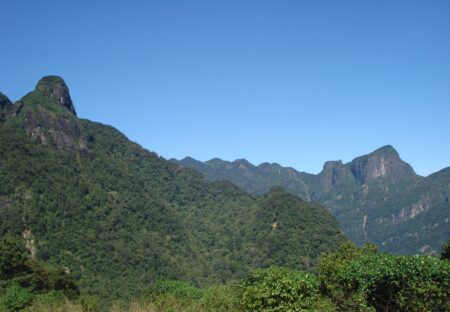




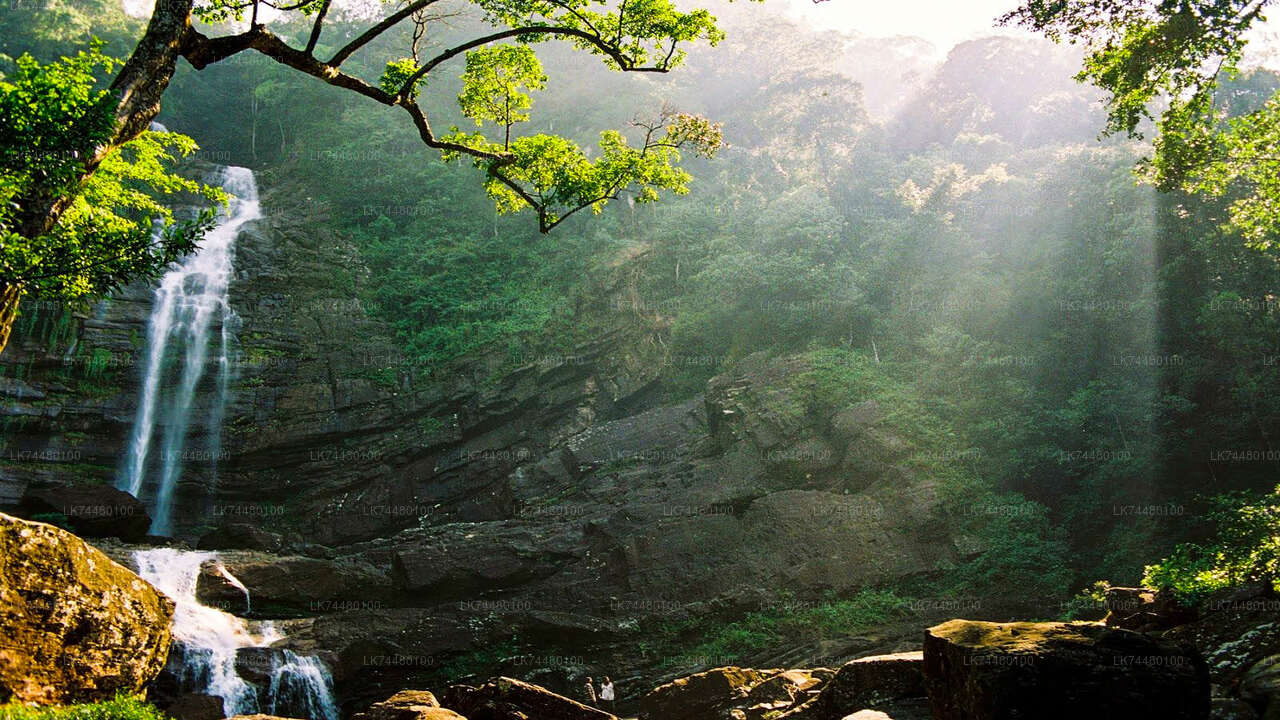
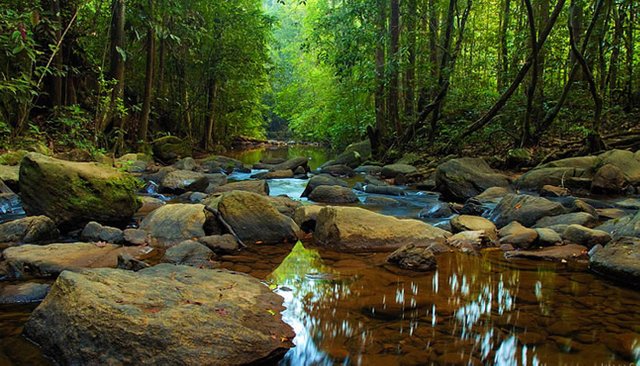
Sinharaja Rainforest is the wild heart of Sri Lanka — the island’s last substantial stretch of lowland rainforest and a UNESCO World Heritage Site since 1988. This is not a park you visit for elephants and jeep safaris; you come on foot, in the humidity, for something rarer: a forest where most of the trees, and a startling share of the animals, exist nowhere else on Earth. For birders it is close to sacred ground. For everyone else it’s the most alive place they’ll walk through in Sri Lanka.
It’s also frequently misunderstood — people arrive expecting a stroll and find a rainforest behaving exactly like a rainforest. Here’s what to actually expect.
Why Sinharaja Rainforest matters
The numbers behind the name (Sinharaja — “lion king”): a majority of Sri Lanka’s endemic trees grow here, and the forest shelters endemic birds, purple-faced langurs, giant squirrels, rare amphibians, and butterflies in constant traffic. The signature spectacle is the mixed-species bird flock — dozens of birds of many species foraging together through the canopy, a phenomenon studied here for decades and considered among the world’s finest. When your guide freezes mid-sentence and points upward, this is what’s coming.
The full ecological case is on the UNESCO listing; the short version is that this forest survived when almost all of Sri Lanka’s lowland rainforest was cleared, and what remains is irreplaceable.

The two entrances — choose deliberately
Kudawa (northwest side) — the main entrance and the birding hub, reached via Kalawana. The best trail network, the most experienced bird guides, and the most visitors. Base yourself in Kudawa village guesthouses for a dawn start.
Deniyaya / Mederipitiya (south side) — quieter, handy if you’re coming from the south coast (it pairs naturally with a Mirissa–hill country route), with waterfall-and-viewpoint trails and fewer people. Birding depth is better at Kudawa; atmosphere is arguably better here.
Trails from both entrances range from 2–3 hour walks to full-day routes toward viewpoints and giant trees. There is no road through the forest — everything is on foot.
Guides, tickets, and rules at Sinharaja Rainforest
- A local guide is mandatory — assigned at the entrance, and this is a feature, not a tax. Sinharaja guides are famous for finding camouflaged wildlife (green pit vipers coiled on rails, frogmouths pretending to be branches) that you would walk straight past, and many identify birds by call alone.
- Tickets: foreign-visitor entry plus the guide fee — together still modest by international park standards. Rates change; confirm current figures at the gate or via the Forest Department rather than trusting any blog’s number.
- Rules: no plastic bags (checked at entry), stay on trails, no flash at wildlife, and drones require permits. Early morning (gates from ~6:30 am) is when the forest performs.

When to visit
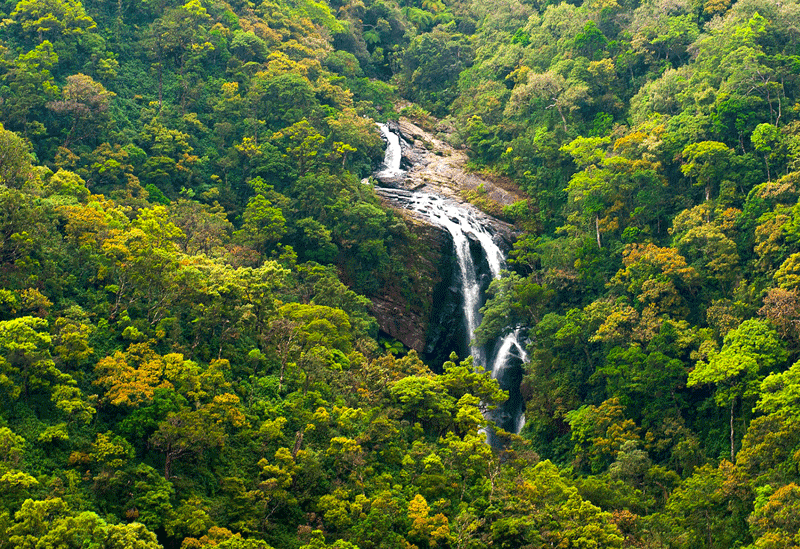
Sinharaja is rainforest: it rains, that’s the deal. The relatively drier, most comfortable windows are roughly December to early April and August–September. The southwest monsoon (May–July) brings heavy afternoon downpours — mornings can still be excellent, and the forest in dripping mist is honestly at its most atmospheric. Whatever the month, walk early: bird activity, cooler air, and the best light all happen before 10 am.
Leeches are guaranteed in any wet period — the standard defence (socks over trousers, salt or soap on shoes) reduces the drama to background noise. Wear shoes with grip; the trails are roots, rock, and polished clay.

Getting there
- To Kudawa: via Ratnapura and Kalawana — roughly 4–5 hours’ drive from Colombo; buses run to Kalawana with local connections onward.
- To Deniyaya: about 2 hours inland from the Matara/Mirissa coast, which makes Sinharaja an easy add-on to a south-coast trip.
- Guesthouses at both gateways arrange guides, early transport to the entrance, and packed breakfasts — use them.
Is Sinharaja worth it if you’re not a birder?
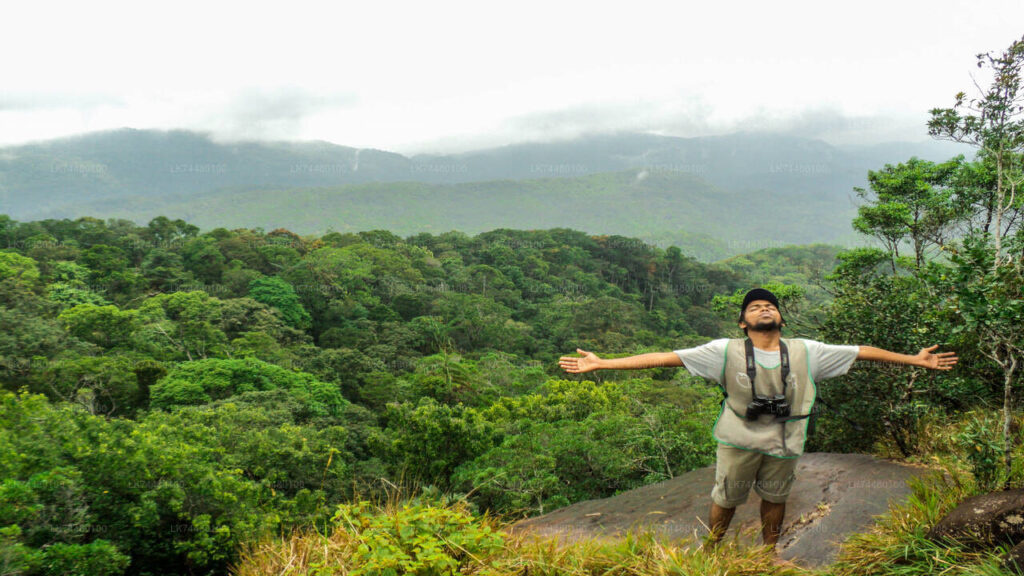
Genuine answer: yes, with calibrated expectations. You will not see charismatic megafauna; you’ll see a rainforest working — leeches and all — with a guide translating it in real time. Visitors who arrive expecting Yala leave disappointed; visitors who arrive curious leave converted. Two to three hours on the trail is enough for most people; birders should plan a full morning minimum and consider two nights.
FAQ
Can I visit without a guide? No — guides are assigned at the entrance, included in the process, and worth every rupee.
What should I bring? Water, rain layer, leech socks or long socks, binoculars if you have them, and shoes you don’t mind muddying. Leave the umbrella; you need hands.
Sinharaja or Knuckles — which one? Different animals entirely: Sinharaja is biodiversity at eye level in lowland jungle; the Knuckles Mountain Range is mountain scenery and big views. With time, do both; forced to choose, birders go Sinharaja, view-chasers go Knuckles.
Is it suitable for children? The shorter Kudawa trails, yes — kids tend to love the guide-as-wildlife-detective dynamic. Keep expectations and distances short.
Plan the rest of the wild side: hiking in Sri Lanka, the Knuckles Mountain Range, and Horton Plains.
Last updated July 2026.