


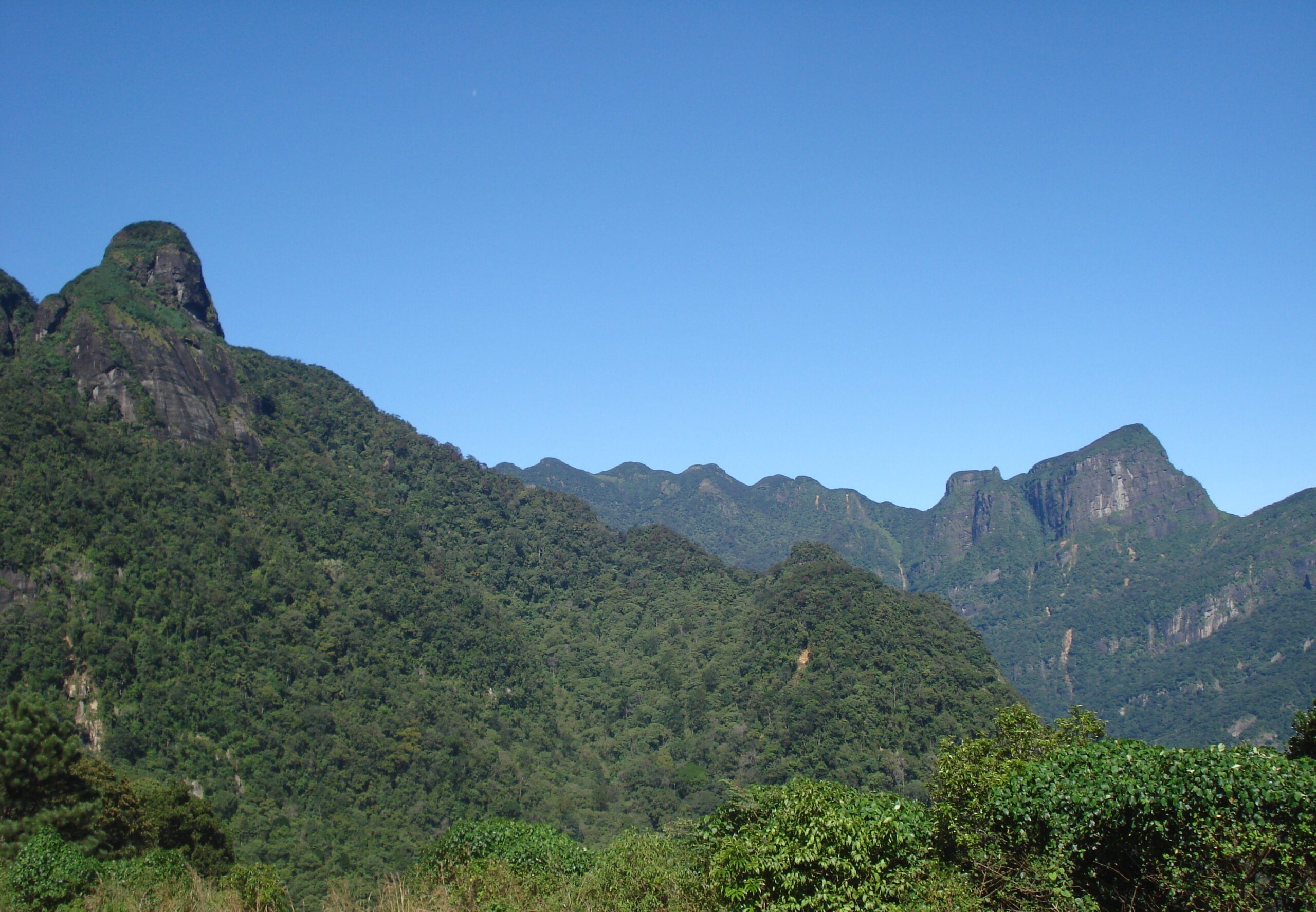
Hiking in Sri Lanka is absurdly underrated. On an island you can drive across in a day, you get 2,500-metre peaks, cloud forest, lowland rainforest with birds found nowhere else on Earth, tea-country ridge walks, and a brand-new 300 km long-distance trail — most of it hikeable for the price of a bus ticket. The problem isn’t finding a hike; it’s choosing between them with limited days.
So here’s our honest ranking — not a list scraped from other lists, but the areas we’d actually send a friend to, with the season, difficulty, and catch for each.
1. The Knuckles Mountain Range — the best overall hiking in Sri Lanka
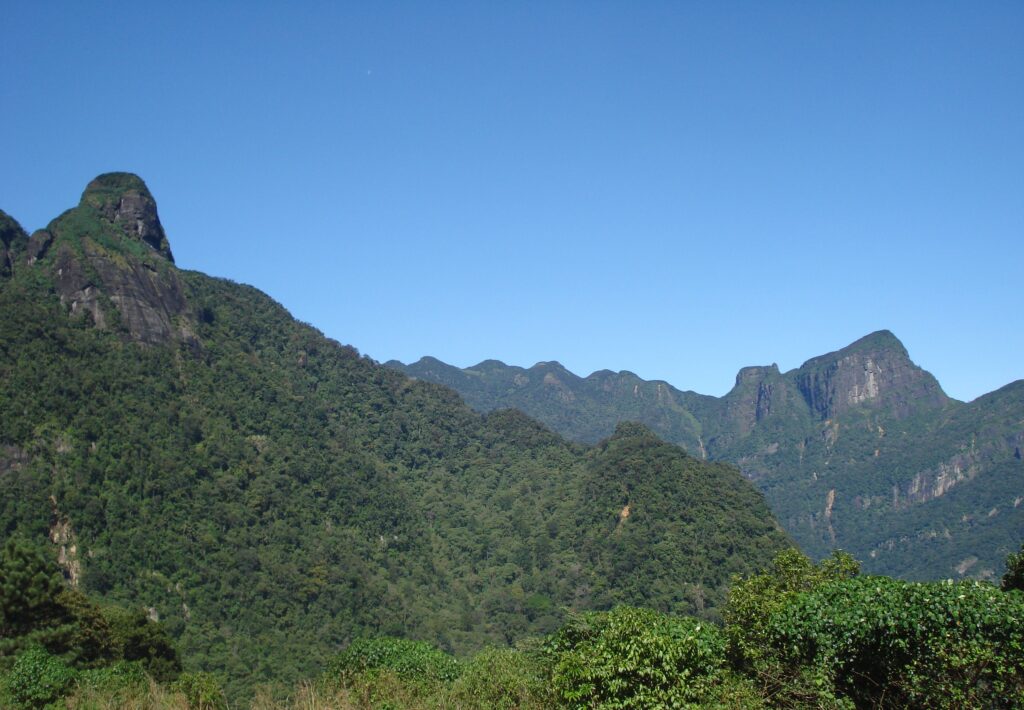
If you do one serious hiking region, make it this one. A UNESCO-listed wilderness of 30-plus peaks east of Kandy, with cloud forest, grassland plateaus, waterfalls, and the ancient village of Meemure hidden in its folds. Routes run from half-day walks (Mini World’s End at Pitawala Pathana, ~1 hour) to multi-day crossings via Corbett’s Gap.
Season: the eastern side stays drier June–September; January–March is a reliable range-wide.
Catch: leeches in numbers that become a personality test, and a conservation entry fee at the main gates. Full details in our Knuckles guide.
2. Horton Plains & World’s End
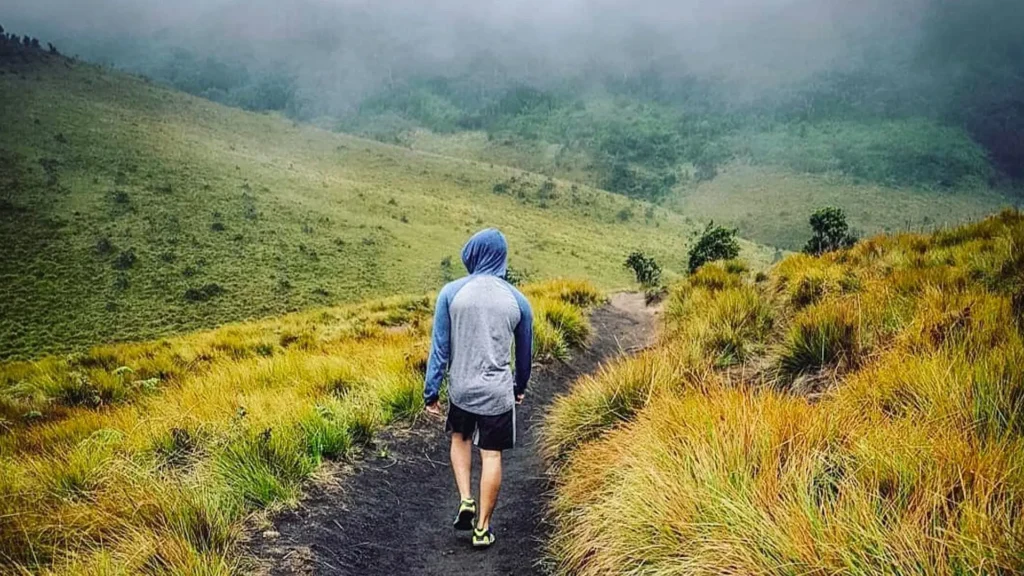
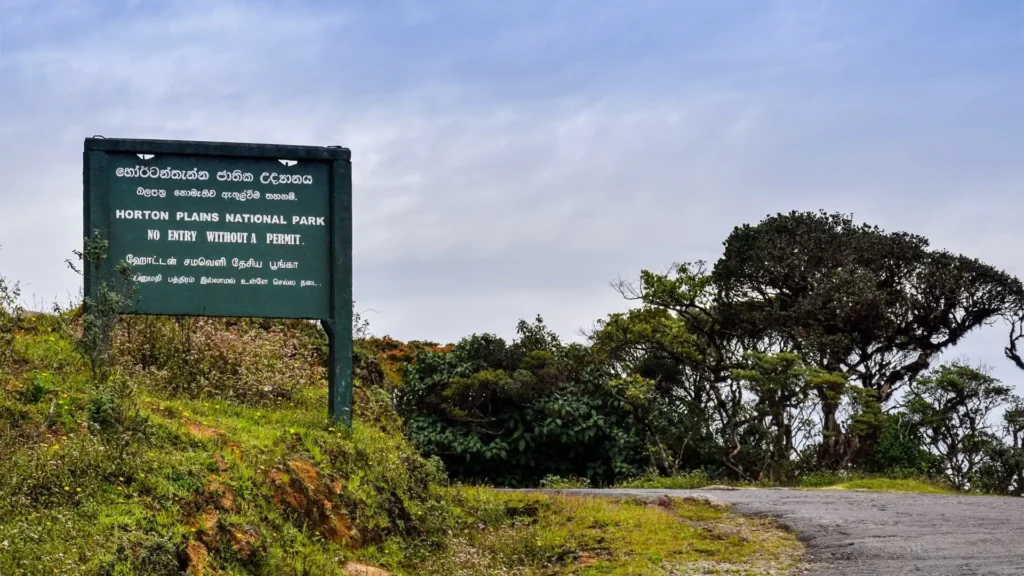
A high, windswept plateau at ~2,100 m with the island’s most famous viewpoint: World’s End, an 870 m sheer drop off the plateau edge. The 9.5 km loop also passes Baker’s Falls and is genuinely easy — the challenge is logistics, not legs.
The rule everyone learns too late: be at the gate by 6 am. Mist swallows World’s End almost daily by 9–10 am, and the ticket isn’t cheap for foreign visitors. Check current fees via the Department of Wildlife Conservation. Our full Horton Plains guide covers the transport puzzle from Ohiya and Nuwara Eliya.
Full details in our Horton Plains National Park Guide.
3. The Ella region
The most accessible hiking in Sri Lanka — three classic walks (Little Adam’s Peak, Ella Rock, Nine Arches) from one guesthouse bed, no permits, no fees. Crowded, yes; still worth it, also yes. Full breakdown in our Ella guide.
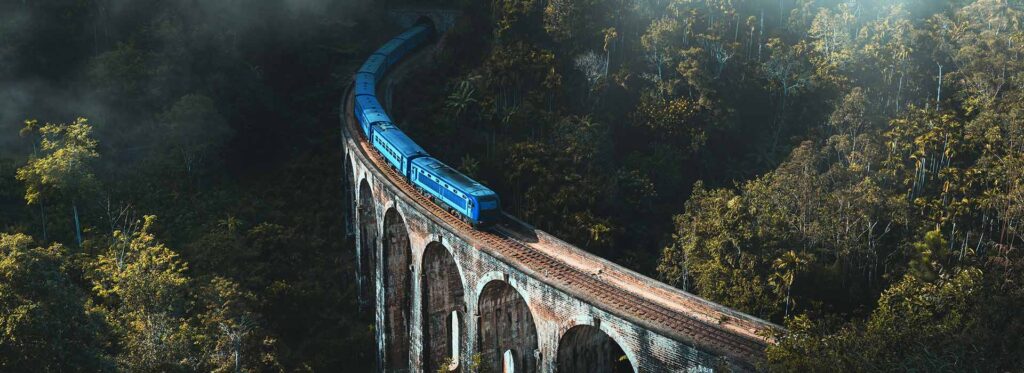
4. The Devil’s Staircase & Bambarakanda
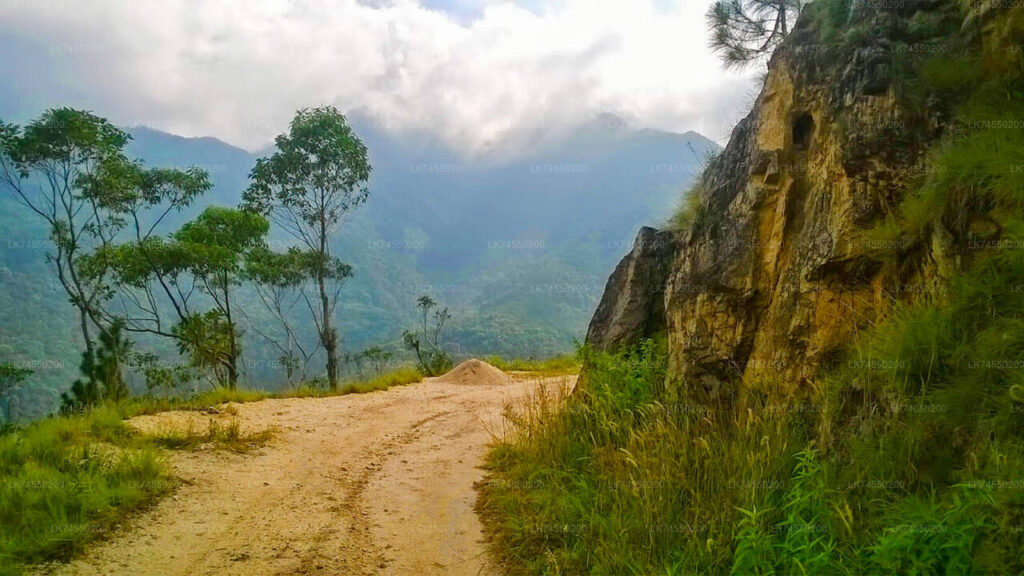
Our favourite single day-hike on the island: 14 km from Kalupahana to Ohiya past Sri Lanka’s tallest waterfall, finishing at a highland railway station. Long, steep, cheap, and gloriously uncrowded.
Complete guide here, and the neighbouring Wangedigala camp-out shares the same trailhead.
5. Adam’s Peak (Sri Pada)
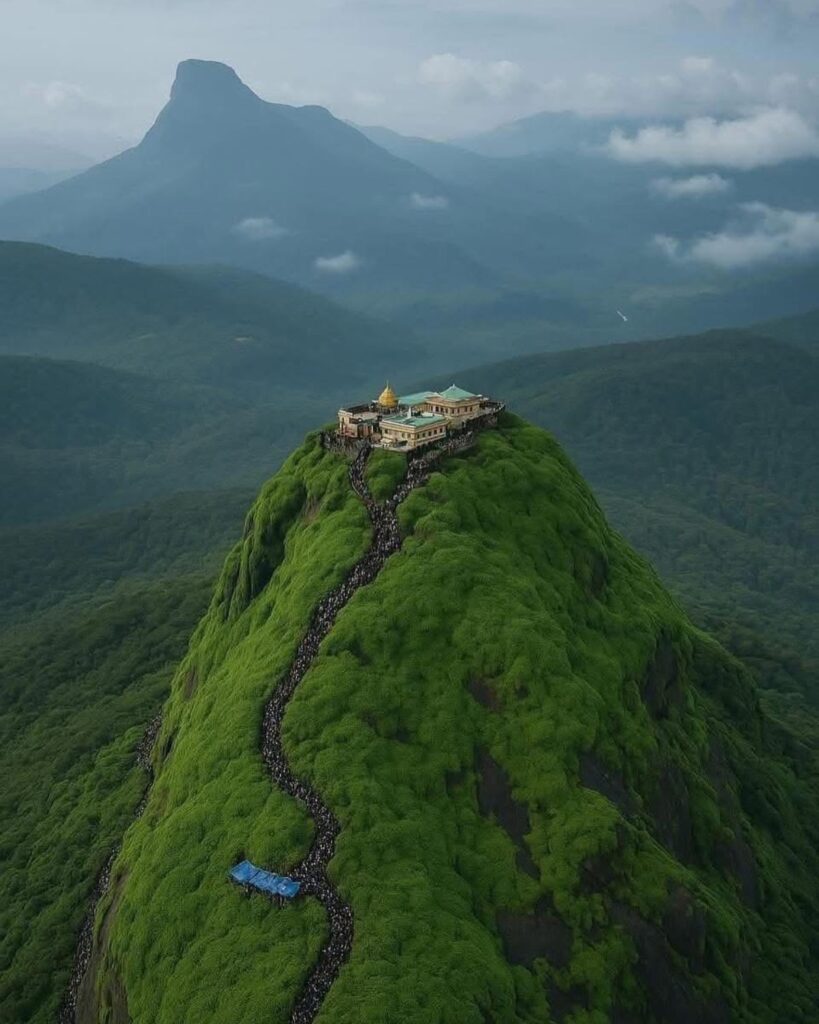
Less a hike than a pilgrimage: ~5,500 steps to a 2,243 m summit sacred to four religions, climbed by night to reach sunrise at the top.
Season matters absolutely: the pilgrimage season runs December to May; off-season the trail is wet, misty, and mostly closed-up. Avoid full-moon Poya weekends unless you want to queue on a staircase at 3 am with half the country — which, honestly, is also an experience worth having once.
6. Sinharaja Rainforest
Different from everything above: lowland rainforest hiking where the point is what lives there, not the view. Sri Lanka’s most important biodiversity site, with mandatory local guides who can find you endemic birds by call alone. Our full Sinharaja guide covers the two entrances and what the fees buy.
7. The Pekoe Trail
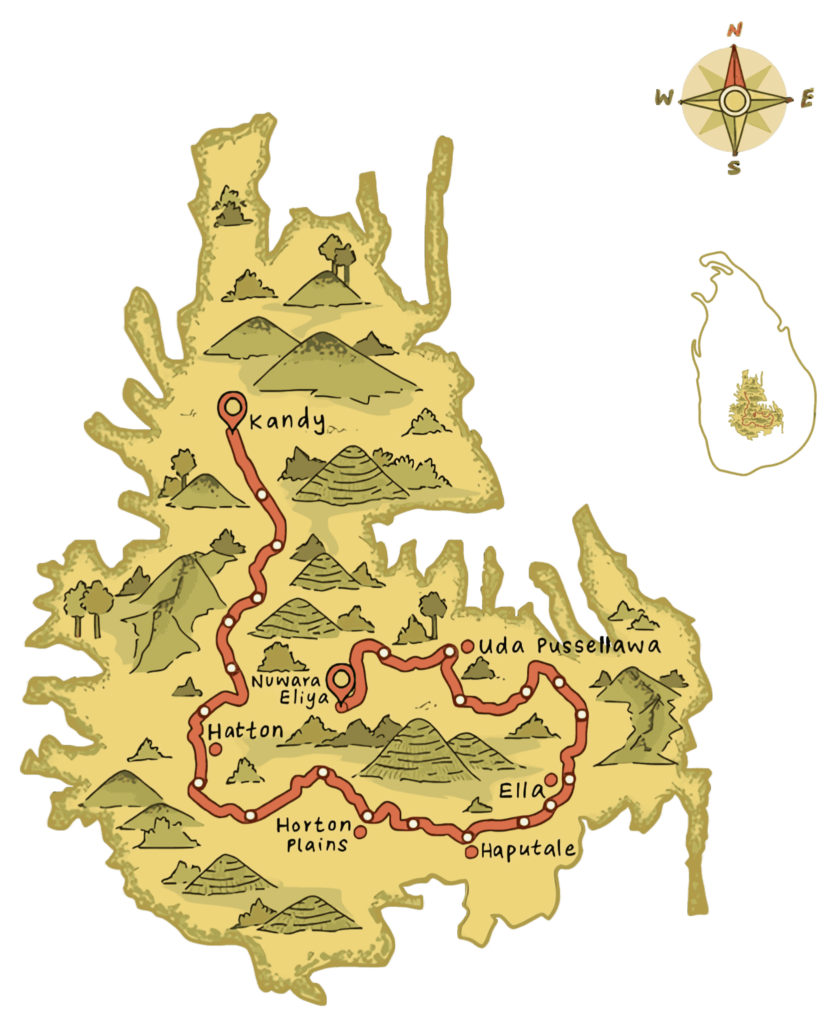
The newest reason to hike in Sri Lanka: a ~300 km long-distance trail through the tea country in 22 stages, from Kandy to the Uva highlands, opened in stages since 2023. You don’t need to hike it all — individual stages make superb day walks, and the stage network around Haputale and Ella overlaps with everything else on this list. Stage maps at the official Pekoe Trail site.
8. Hanthana Mountain Range
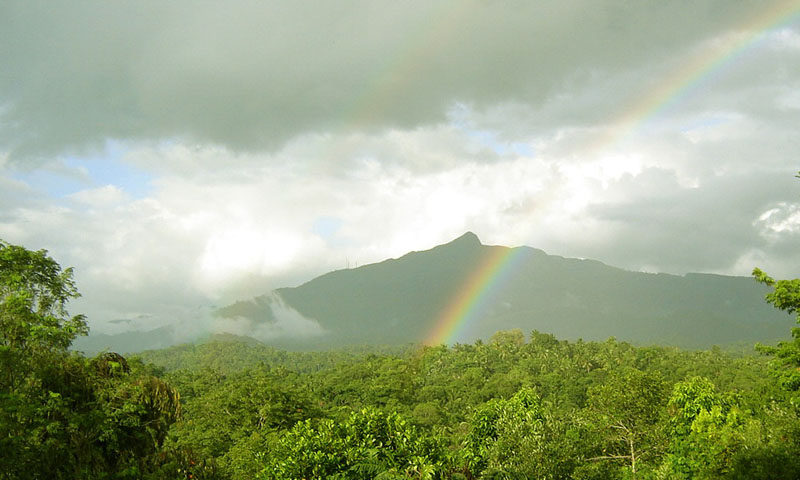
Kandy’s backyard range — a seven-peak ridge you can reach by local bus from the city. Popular with university students, free, and the best half-day option if Kandy is your base. Honest note: paths brade confusingly near the top; an offline map helps.
9. Riverston & the Matale hills
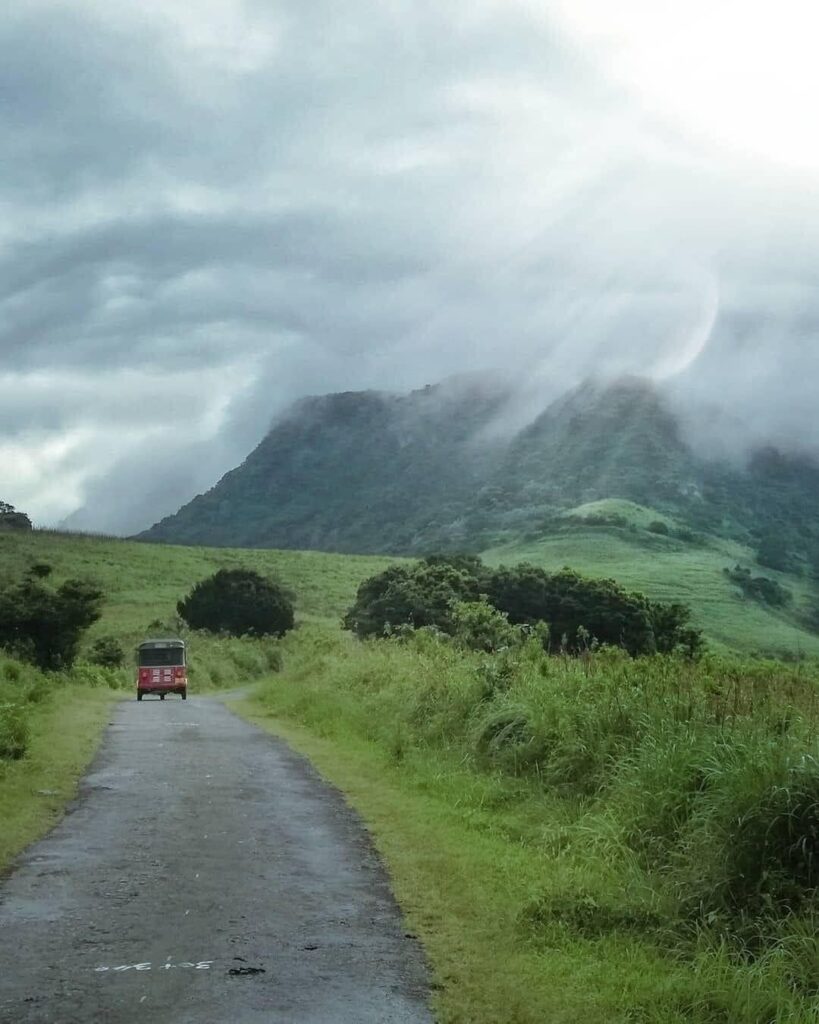
The road itself does the climbing — you walk short, dramatic spurs to viewpoints like Mini World’s End (the Matale one) and Sera Ella falls. The best low-effort-to-reward ratio in the country, and en route to Knuckles anyway.
When to hike where: the one-paragraph version
Sri Lanka has two monsoons, which means somewhere is always dry. December–March: hill country and southwest at their best — Ella, Horton Plains, Adam’s Peak season. May–September: the east and the Knuckles’ eastern flanks shine while the southwest gets rain. April and October–November are transitional — hikeable, but plan around afternoon storms and always summit in the morning.
What hiking in Sri Lanka costs
The happy answer: usually almost nothing. Most trails are free; the exceptions are protected areas (Horton Plains, Knuckles conservation zones, Sinharaja) where foreign-visitor tickets and guide fees apply — typically the price of a mid-range dinner, not a safari. Buses reach nearly every trailhead. The real budget item is time.
Five rules that keep hill-country hikes fun
- Summit before 9 am — the mist is not negotiable.
- Two litres of water minimum; refills are folklore.
- Leech protection in wet months (socks over trousers, salt).
- Download offline maps; signal dies exactly where trails fork.
- Tell your guesthouse where you’re going. They’ll also tell you if the trail’s condition has changed — better intel than any website, including this one.
